
F1 drivers have been criticized in many quarters for their opposition to the FIA's increases in the Super Licence fee for both 2008 and 2009. They are paid millions, runs the argument, so it is hardly appropriate for them to squeal at having to fork out a greater fee for participation in the sport, especially at a time when other members of F1 teams are losing their jobs. Unhappy memories of the Great Baseball Strike in the States surface, together with the knowledge of what it did to the popularity of America's once pre-eminent sport.
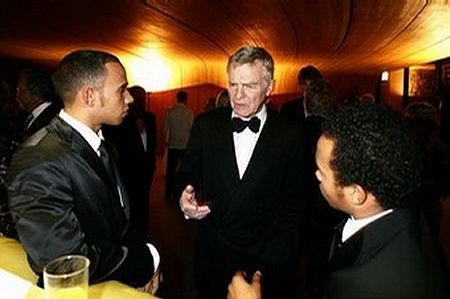
Max: "You'll get your trophy when I get my 270,000 euros."
Yet these arguments are specious, depending as they do on envy of the admittedly-high salaries of the top drivers. The Super Licence is just like any other licence in that it indicates the competence of the holder to participate in the activity it covers and, as such, it should not be linked to earnings in any way. How would you feel, for instance, if the cost of your driving licence varied according to how much money you made in the previous year?
As pointed out in Doctor Vee's excellent article on the subject, the real problem is the FIA's shortfall in its budget for the last couple of years. In attempting to solve its money worries by increasing the licence fee, the FIA is behaving exactly like the company that tries to economize by rationing stationery supplies to its employees; instead of tackling the problem at its source (usually too many freebie junkets for its executives), the organization looks for innocent but powerless areas to squeeze money from.
This attitude is so typical of the worst-run companies that one is led to the conclusion that the FIA's finances are being as badly run as their administration of F1 regulations. Compare their mean-spirited assault on the drivers' earnings with what Ron Dennis has to say on the economic downturn:
It is the kind of entrepreneurial risk-taking that was a hallmark of Mr Dennis’s F1 career, a trait he is keen to highlight. "I am embracing this recession in a positive way," he says. "We are going to power through it." He repeats that phrase half-a-dozen times during the course of the interview.
It may be that the drivers should contribute more to the finances of the governing body - indeed, they have offered to do so. But the licence fee is not the right place to attempt an increase in income beyond the rate of inflation. If it is appropriate that the drivers should contribute towards the cost of safety improvements that benefit them, then some form of "safety tax" could be introduced. The cost of a licence should be a flat rate for everyone, however.
That, in essence, is what the drivers are saying. It is not an issue of greed similar to the strike by professional baseball players but an objection to the principle of funding shortfalls by the arbitrary increase of fees in unrelated areas. The drivers are right to protest and they deserve our support.