
Over at Craigblog, Craig has been debating the possibility of canceling his copy of F1 Racing magazine, noting that its quality has declined of late and there is little that it tells him that he doesn't already know. As one who used to have a subscription to Autosport, long since lapsed, I understand his reluctance to take the plunge and stop buying.
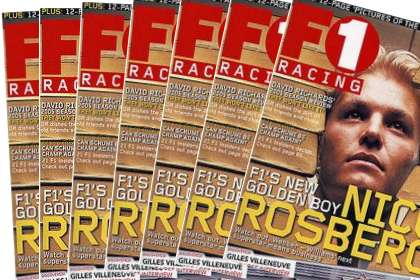
Never having read F1 Racing, I am not qualified to comment on today's report of Matt Bishop's move from there to the McLaren public relations machine, although I have read some of the Bish's stuff before. It all seems part of a general trend away from the magazines, however, perhaps a reflection of the printed word's struggle against new media.
The advent of live grand prix broadcasting on television was the beginning of that struggle, the magazines being forced to accept that their news coverage was now surplus to the requirements of the customer. Even weeklies could not hope to compete with the immediacy of television. As long as TV stuck to the races, however, there remained a niche for the magazines in the area of informed comment and technical explanation. Not believing that there was sufficient market for such high-flown stuff, the TV left that arena to the magazines and they accepted the crumbs and continued.
Generally, they made a good job of it too and certain columnists acquired a degree of fame amongst F1 fans for the quality of their writing and vision. But then a wrong turning was made, whether from recognition of a new threat looming on the horizon or a desire to compete once more for the mass market, and the magazines began to aim downwards again, their articles becoming briefer and less technical.
It is a strategy of desperation, however, for the new threat means the end of any F1 magazine that does not find a highly specialized niche of its own. The internet has already given rise to news services as immediate but more extensive than the television and provides a range of comment and analysis that ably substitutes for the magazines. Quality is variable but even that copes more adequately for the market, each customer being able to find the site that provides exactly the amount of information required.
If F1 magazines are to survive, they need to compete as they have done, in the area of specialized knowledge provided by informed and capable writers. Yet the opposite seems to be happening, Nigel Roebuck's departure from Autosport another sign of the abandonment by the magazines of the high ground.
There is room for the printed word in the world of tomorrow but publications need to be recognizing that they cannot continue in the old ways. They should be aiming even more intensively at niche markets, accepting that they cannot compete for the masses anymore. And Craig should not be noticing a decrease in the quality of the magazines he buys but rather a move towards the background of F1, that vast expanse of information that is never tapped by the television and only rarely so by the internet. The hunger of F1 fans for the sport is such that they will devour any amount of seemingly esoteric information, the better to understand and evaluate what they see on their screens. That is where the magazines should be.
Never having read F1 Racing, I am not qualified to comment on today's report of Matt Bishop's move from there to the McLaren public relations machine, although I have read some of the Bish's stuff before. It all seems part of a general trend away from the magazines, however, perhaps a reflection of the printed word's struggle against new media.
The advent of live grand prix broadcasting on television was the beginning of that struggle, the magazines being forced to accept that their news coverage was now surplus to the requirements of the customer. Even weeklies could not hope to compete with the immediacy of television. As long as TV stuck to the races, however, there remained a niche for the magazines in the area of informed comment and technical explanation. Not believing that there was sufficient market for such high-flown stuff, the TV left that arena to the magazines and they accepted the crumbs and continued.
Generally, they made a good job of it too and certain columnists acquired a degree of fame amongst F1 fans for the quality of their writing and vision. But then a wrong turning was made, whether from recognition of a new threat looming on the horizon or a desire to compete once more for the mass market, and the magazines began to aim downwards again, their articles becoming briefer and less technical.
It is a strategy of desperation, however, for the new threat means the end of any F1 magazine that does not find a highly specialized niche of its own. The internet has already given rise to news services as immediate but more extensive than the television and provides a range of comment and analysis that ably substitutes for the magazines. Quality is variable but even that copes more adequately for the market, each customer being able to find the site that provides exactly the amount of information required.
If F1 magazines are to survive, they need to compete as they have done, in the area of specialized knowledge provided by informed and capable writers. Yet the opposite seems to be happening, Nigel Roebuck's departure from Autosport another sign of the abandonment by the magazines of the high ground.
There is room for the printed word in the world of tomorrow but publications need to be recognizing that they cannot continue in the old ways. They should be aiming even more intensively at niche markets, accepting that they cannot compete for the masses anymore. And Craig should not be noticing a decrease in the quality of the magazines he buys but rather a move towards the background of F1, that vast expanse of information that is never tapped by the television and only rarely so by the internet. The hunger of F1 fans for the sport is such that they will devour any amount of seemingly esoteric information, the better to understand and evaluate what they see on their screens. That is where the magazines should be.